

Are we doing right by our clients when it comes to TPD?
Katrina Church takes a different look at Total Permanent Disablement (TPD).
Wednesday, July 29th 2026, 10:35AM  6 Comments
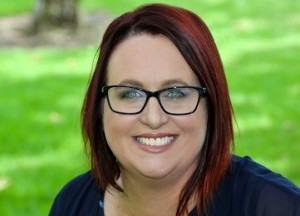
By Katrina Church, The Insurance People
When we talk about Total Permanent Disablement (TPD), we often treat it as another insurance benefit; another optional extension; another box to consider when putting cover in place.
I see it differently.
TPD is one of the most powerful promises our industry can make to a client whose working life has changed forever. Yet across New Zealand, I wonder whether it’s being overlooked both when we’re recommending cover and, perhaps more importantly, when clients need it most.
When should TPD kick in?
Too often, when someone has been receiving mortgage or income protection payments for months or years, the focus remains on managing the claim: submitting forms, updating medical information, completing rehabilitation and proving, once again, they still cannot work.
At some point, we need to stop asking, ‘How do we keep managing this claim?’ and ask, ‘Is this client ever realistically going back to the occupation they had before?’ Because that’s what TPD was designed for.
TPD doesn't necessarily mean a client will never work again. They may retrain, volunteer or find a different role – and I hope they do. But if they can no longer return to the occupation they trained for and built their life around, that's when we should be asking whether TPD applies. Because TPD isn’t necessarily the end of someone’s working life, it can be the beginning of helping someone rebuild their life. That's why these conversations need to happen as early as possible, while clients still have the time, ability and opportunity to make meaningful choices.
More than just a financial payout
Recently, I reviewed several clients who had been receiving monthly benefits for years. One client had done everything the insurer asked. They had worked through rehabilitation, attended appointments and continued proving they could not return to work. So I asked, ‘Why aren’t we looking at TPD?’
The client had TPD built into their mortgage and income protection cover, as well as an extension on their trauma policy. Once assessed, they received a $150,000 lump-sum payment, in addition to their income protection.
I then raised the same question about another client who had been receiving income protection payments for more than three years. Again, to the insurer’s credit, the claims’ team listened. The medical evidence was reviewed by its chief medical officer, the TPD claim was approved and the client received a lump-sum payment of $314,000, far greater financial certainty and far fewer monthly income protection hoops to jump through.
Being recognised as totally and permanently disabled is confronting. For many clients, it means accepting they won’t return to a career that shaped their identity. There is real grief in that. But there is also validation. Someone is finally saying, ‘We hear you’, ‘We understand’, ‘We can see you're not going back to the work you once did’.
The lump sum can clear debt, support retirement planning and give clients breathing room to consider what comes next.
This isn't a niche issue. New Zealand insurers pay tens of millions of dollars in TPD claims every year. Neurological conditions, musculoskeletal injuries, cancer and mental health are among the leading causes, with most claims involving people in their working years. These aren't just statistics; they're people with mortgages, families and retirement plans built around their ability to earn.
So what can advisers do?
Claims managers often carry large caseloads, with clients moving between several assessors over the life of a claim. So their focus is understandably on ensuring the claim continues to meet the policy definition.
Advisers know their client’s story. We understand what they did before becoming ill, what rehabilitation has involved and what they have lost. That broader perspective means we may be the people best placed to recognise when TPD should be considered.
TPD conversations should also begin when cover is first arranged. Are we explaining the value of TPD clearly enough? Are we adding the appropriate extensions to trauma, mortgage and income protection policies? Or are we allowing a cheaper option today to create a serious gap tomorrow?
We insure debt if someone dies. We should be giving the same thought to what happens if they survive but can never earn in the same way again.
Australia shows what can happen when advisers become less central to the claims journey and lawyers increasingly fill the gap. New Zealand's ACC system and retail insurance market mean we're in a very different position – and that's exactly why we should protect what we have. Advisers should remain at the heart of helping clients receive the benefits they're entitled to.
So here’s my challenge.
Take a look at your long-term claims this week. Ask yourself whether any of those clients are ever realistically going back to the occupation they had before. If the answer is no — or even maybe — start the conversation. Because sometimes the greatest value we provide is not recommending the policy in the first place; it’s recognising when it’s time for that policy to do exactly what it was designed to do.
| « Southern Cross appoints new CEO |
Special Offers
Comments from our readers
If one is able to transition to a new role that's wonderful and a good claims experience can and does assist with this. The role of an adviser assisting with this shift is crucial. Yet that transition will still cost money. The new role may be paid less. The time off work until actively working will cost. The opportunity cost of change can be significant. And a financial future changing can be very uncertain.
Then we have the issue I am seeing New Zealander's aren't aware of the role we can play to work towards a rehab solution or a TPD solution. They don't always have access to an adviser.
Key is we need it in their plans. and we need to actively manage the claims experience when on mortgage/income cover claims.
Our point of difference to Aussie - Lawyers are driving their experience I believe we can do it differently.
I agree with Snoopdog, someone disabled from their own occupation, but who can still work may need less support from their TPD insurance. However, someone severely disabled, unable to care for themselves and needing daily supervision and support, will need much more significant support from TPD insurance.
Opportunities exist for development of tiered or ‘severity’ based TPD products and advice. Is a lump-sum payment of the whole amount appropriate? Might monthly benefits or benefits paid on a ‘reimbursement-of-costs’ basis make sense?
Acenda recently reported that almost two-thirds of TPD recipients, who received amounts designed to support them for decades, spent their entire benefit within three years. One can speculate why that was, in some cases it may have been that their disability was so severe the benefit was not enough, in others it may have been poor money management.
One simple solution would be to offer a ‘booster’ option on existing TPD products, paying much larger benefits on disability so severe that the life insured cannot perform activities of daily living, for example. The claims incidence would likely be low enough to allow this at a very affordable premium, allowing much better protection against catastrophic loss.
In therory it is a great product, that can help replace lost future earnings and help compensate for life changing injuries / illnesses. Replacement income products don't/can't always fully recompense ill/injured policy holders.
Having had a number of claims paid, and some claims still ongoing, the threshold and process needed to get an insurer to agree that someone who is clearly permanently and totally disabled and is never going to go back to thier own occupation, is never starightford, rather it is a long drawnout and unnecessarlily arduous process.
I think everyone understands that the threshold needs to be high, but not unrealisticly high.
Looking at the number of TPD policies held, compared to the number of TPD claims lodged vs the number of cliams paid out is informative, and probably the reason that TPD is one of the industry's most profitable products.
The problem is that none of this feels real to people until it is. I'm as guilty as anyone. Death is at least a concept everyone has sat with. Surviving and never earning the same way again is abstract enough that it gets traded away first when the premium needs cutting.
For us, TPD riders on trauma, mortgage and income cover are an opt-out, in as standard on every recommendation, and standalone TPD is discussed separately on its own merits. Nobody should be leaving without some form of long term disability protection if we're looking at someone's bigger picture. Granted that premiums will usually be the reason for opting out.
Sign In to add your comment
|
|
Printable version |
|
Email to a friend |


I can understand it if there is financial loss and they can never work again, but what if they can change occupations. I note that TPD is a real problem in Australia. Thoughts?